



Watch
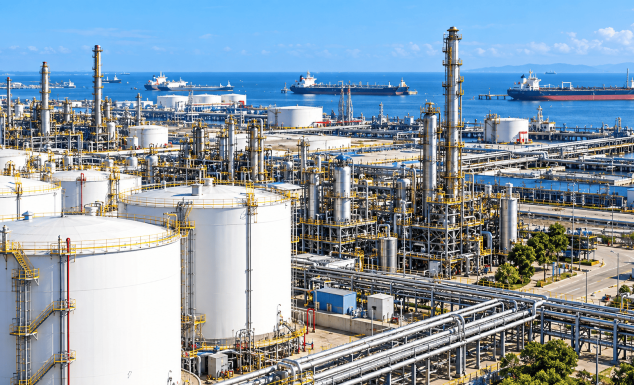
For decades, Indonesia shipped copper concentrate abroad and let other countries capture the value. That changed inside the Java Integrated Industrial and Port Estate (JIIPE), Gresik Special Economic Zone (SEZ), where PT Freeport Indonesia (PTFI) built what it calls the world's largest single-line copper smelter. The smelter is the starting point. The real opportunity lies in what happens to the copper, gold and silver after they leave the refinery gate.
What the smelter produces
The Manyar smelter cost about US$3.7 billion and occupies roughly 100 hectares of JIIPE. It is designed to process 1.7 million tonnes of copper concentrate per year into about 600,000–650,000 tonnes of copper cathode. Its Precious Metal Refinery (PMR), inaugurated by President Prabowo Subianto on 17 March 2025, can refine around 50 tonnes of gold, 200 tonnes of silver, 30 kg of platinum and 375 kg of palladium a year.
Together with PTFI's first smelter, PT Smelting, Freeport's Gresik facilities are designed to refine 3 million tonnes of concentrate into about 1 million tonnes of cathode, 50 tonnes of gold and 200 tonnes of silver annually.
Where things stand in 2026
A mud rush at the Grasberg Block Cave mine on 8 September 2025 cut concentrate supply, and the Manyar smelter fully stopped in December 2025. Concentrate began arriving again in August 2026, with about 5,000 tonnes of cathode produced that month. PTFI projects Manyar output to reach about 57,000 tonnes by the end of 2026, with a larger ramp-up in 2027 and full mine recovery targeted for 2028.
For investors, the message is simple: the metal source is world-scale, in place and recovering. Plants that are designed and built now will come online as supply returns to full capacity.
Copper: from cathode to foil, rod and cable
PTFI has said that a large share of its cathode would still be exported unless more domestic manufacturers absorb it. That gap is the opening for downstream investment.
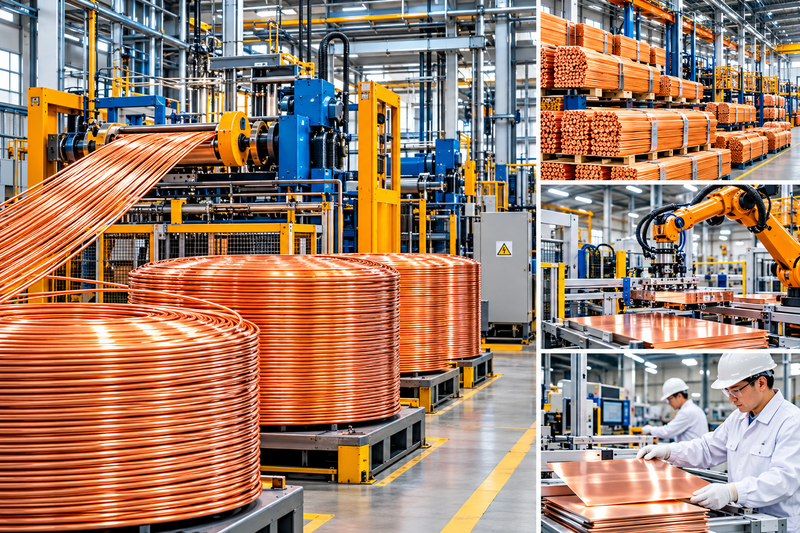
The first mover is already here. PT Hailiang Nova Material Indonesia, part of China's Hailiang Group, bought 20 hectares in JIIPE in 2023 to build a copper foil plant for electric-vehicle (EV) batteries and electronics. PTFI estimates Hailiang's potential cathode demand at about 100,000 tonnes a year. The project moved from construction start to first copper foil in 208 days.
Other products that can be made within reach of the smelter include:
- Copper rod and wire for power cables and building wiring
- Copper tube for air-conditioning and refrigeration
- Busbars, connectors and electrical components for grids, data centers and EV charging
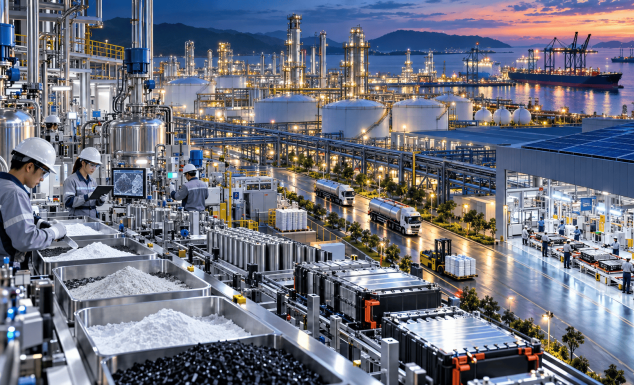
- Battery components that sit alongside copper foil in the cell supply chain
Gold: from anode slime to bars and coins
PTFI poured its first gold bars at 99.99% purity on 30 December 2024 and shipped the first 125 kg to state miner PT Aneka Tambang (Antam) on 12 February 2025. The two companies have a purchase agreement of up to 30 tonnes a year. Antam bought 9 tonnes from PTFI between January and August 2026.
Antam is now building its "Avere" precious metals plant inside JIIPE, a US$70 million investment. It is scheduled to begin commissioning in Q4 2027 and produce about 5 million gold bars and coins a year, plus industrial gold. Antam cited JIIPE's status as a National Vital Object and direct access to 99.99% gold as key reasons for the location.
Silver: an industrial metal in short supply
The PMR can produce up to 200 tonnes of silver a year. According to the Silver Institute's World Silver Survey 2026, industrial silver demand reached 657.4 million ounces in 2025 and is forecast at 639.6 million ounces in 2026. The market is expected to record its sixth consecutive deficit in 2026.
Demand is shifting. Solar panel makers are cutting silver use per cell, but AI data centers, power transmission and automotive electronics are growing. Silver paste, electrical contacts and brazing alloys are realistic products for manufacturers near a domestic silver source.
Why the timing matters
The International Copper Study Group (ICSG) expects global refined copper use of about 28.9 million tonnes in 2026, with a small surplus of 96,000 tonnes. Over the longer term, the International Energy Agency's Global Critical Minerals Outlook 2026 still projects a copper supply shortfall of about 25% by 2035. Short-term balance, long-term scarcity: manufacturers that secure a stable, nearby metal source now will be better protected later.
The JIIPE value chain at a glance
|
Metal |
Source inside JIIPE |
Design capacity per year |
Downstream opportunities |
Already in JIIPE |
|---|---|---|---|---|
|
Copper |
PTFI Manyar smelter |
~600,000–650,000 t cathode |
Foil, rod, wire, cable, tube, busbars |
Hailiang Nova (copper foil) |
|
Gold |
PTFI Precious Metal Refinery |
~50 t |
Bars, coins, jewelry, industrial gold |
Antam "Avere" plant (from 2027) |
|
Silver |
PTFI Precious Metal Refinery |
~200 t |
Silver paste, contacts, brazing alloys |
Open opportunity |
Why build at JIIPE
- Metal source, deep-sea port and industrial land in one integrated estate
- Gresik SEZ incentives, with immigration services and a customs auto-gate system on site
- Ready utilities: electricity, water, natural gas, wastewater treatment and telecommunications
- National Vital Object status for secure handling of high-value materials
Frequently asked questions
Is the Freeport smelter in JIIPE operating? Yes. It resumed production in August 2026 and is ramping up as Grasberg mine output recovers.
Can a manufacturer buy copper cathode locally? PTFI has stated it is actively seeking domestic offtakers. Contact JIIPE to discuss land and supply proximity.
What gold products will be made in JIIPE? Antam's plant will produce gold bars, coins and industrial gold from late 2027.
Beyond the smelter, the value chain is still being written. Talk to the JIIPE team about land, utilities and SEZ incentives for your copper, gold or silver processing plant.