


.png)

Watch
For exporters, the source of electricity is now part of the product. Since 1 January 2026, the EU's Carbon Border Adjustment Mechanism (CBAM) has been in its definitive phase for cement, iron and steel, aluminium, fertilisers, electricity and hydrogen. The first quarterly CBAM certificate price for 2026 was set at €75.36 per tonne of CO2, and EU importers begin buying certificates in February 2027 for goods imported during 2026. For cement and fertilisers, indirect emissions from electricity are also counted.
Beyond CBAM, many global buyers now ask suppliers to report and reduce emissions from the electricity they use. The good news is that factories in Indonesia already have several ways to source green power.
Route 1: PLN Renewable Energy Certificates (RECs)
Through its Green Energy as a Service (GEAS) offering, PLN sells Renewable Energy Certificates at IDR 35,000 each, equal to 1 MWh from a renewable plant. Sales have grown quickly, from 0.31 TWh in 2021 to 6.43 TWh in 2025, up 19.65% on 2024.
Large industry dominates demand. In December 2025, about 55% of REC sales came from the ten largest buyers, in mining, manufacturing, chemicals, pulp and paper, and food. The largest single buyer purchased 779,000 MWh. PLN now runs 12 renewable plants supplying GEAS customers, through either RECs or a Dedicated Source scheme.
Route 2: Rooftop solar on the factory
Energy Ministry Regulation No. 2 of 2024 reshaped rooftop solar. The capacity cap linked to contracted power was removed, and industrial users no longer pay a capacity charge. In exchange, net metering was abolished, so systems are most economic when sized to self-consumption, and installations follow quotas set for each PLN power system.
The cumulative rooftop solar quota in PLN's service area is set at 901 MW for 2024, 1,065 MW for 2026 and 1,593 MW for 2028. For factories with large roofs and strong daytime loads, rooftop solar can cut both power bills and emissions.
Route 3: Renewable supply from the grid
For large loads, dedicated supply from PLN's renewable plants is an option, and capacity is growing. The RUPTL 2025–2034 plans 42.6 GW of new renewable generation, including 19.6 GW on the Java-Madura-Bali system.
Comparing the three routes
|
Route |
How it works |
Best for |
Key data |
|---|---|---|---|
|
PLN RECs |
Buy certificates for the renewable power you use |
Plants that need a 100% renewable claim quickly |
IDR 35,000 per MWh; 6.43 TWh sold in 2025 |
|
Rooftop solar |
Install panels on your own factory roof |
Plants with large roofs and high daytime load |
No capacity charge; 1,065 MW quota in 2026 |
|
Dedicated renewable supply |
Power from specific renewable plants |
Large users with long-term targets |
19.6 GW of new renewables in Java-Madura-Bali under the RUPTL |
Why JIIPE
- On the Java-Madura-Bali system, which has the largest share of new renewables in the RUPTL
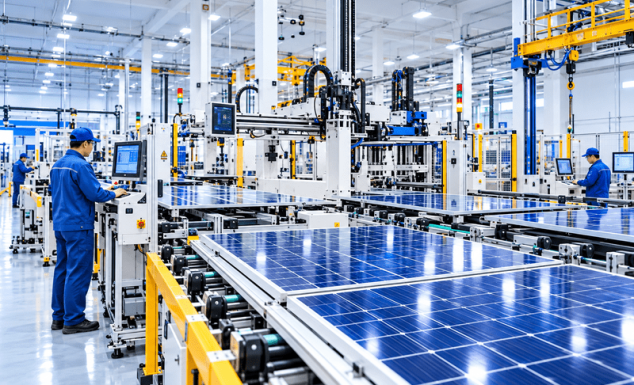
- A solar supply chain inside the estate: Xinyi Solar produces PV glass at JIIPE for about 8 GW of modules a year
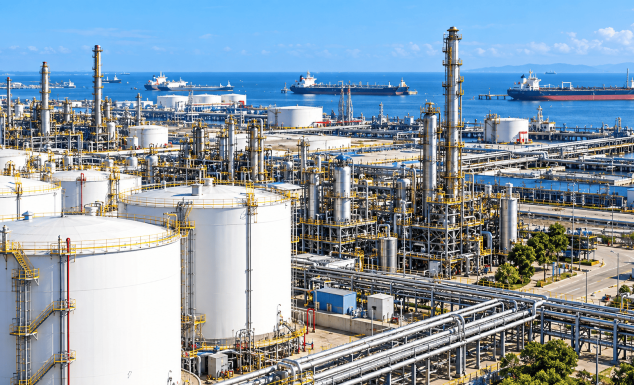
- Relevant to CBAM sectors: fertiliser and ammonia-based chemical production is being built at JIIPE, a sector where electricity emissions count
- Gresik SEZ incentives, including a 10- to 20-year tax holiday depending on investment size
Green power is now a ticket to export markets. Talk to the JIIPE team about land, utilities and the energy plan for your factory.